Expert Dishwasher Repair in Grafton, MA
Appliance Repair for Homes & Businesses in Grafton, North Grafton, South Grafton, Upton, Northbridge, Massachusetts and Nearby Areas
Dishwasher Repair in Grafton Massachusetts | Appliance Repair Pros
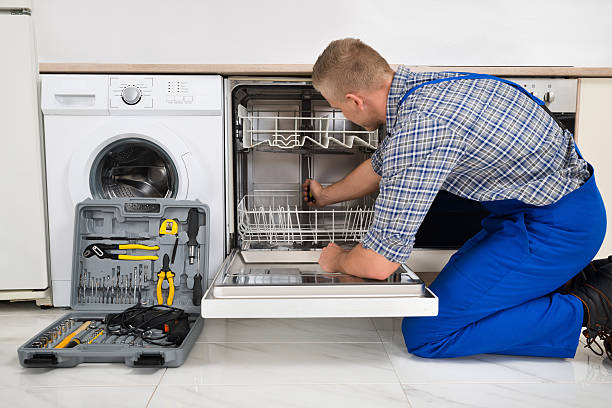
Dishwasher Repair in Grafton Massachusetts is a critical service for homeowners who rely on their kitchen appliances to keep their households running smoothly. At Appliance Repair Pros, we assist families in Grafton, North Grafton, South Grafton, and the surrounding communities of Upton and Northbridge when their dishwashers fail to perform. Whether your unit is leaking water onto the floor, refusing to drain, leaving white film on glasses, making loud grinding noises, or simply not starting, we have the technical expertise to resolve the issue. We understand that in areas like Grafton where hard water can be a factor, dishwashers face specific challenges that require knowledgeable maintenance and repair.
We pride ourselves on a meticulous approach to diagnostics that identifies the root cause of the breakdown rather than just swapping parts. Our technicians treat your home with respect, using protective floor coverings and maintaining a clean workspace throughout the repair process. We know that a broken appliance disrupts your daily routine, so we focus on dependable scheduling and clear communication from start to finish. When you need a professional to restore the convenience of your kitchen, we are ready to help.
Contact us today.
Dishwasher Repair Services in Grafton
A functioning dishwasher is more than just a luxury; it ensures sanitation and saves you hours of manual labor every week. When this appliance breaks down, dirty dishes pile up quickly, creating a mess and a hygiene issue in your kitchen. Our service is designed to address every aspect of dishwasher operation, from the water inlet to the final drain cycle. We work on a wide variety of configurations found in Grafton homes, ranging from standard built-in units in family neighborhoods to compact models in local condos.
Dishwasher systems we work on
- Standard built-in under-counter units
- Integrated and panel-ready models that match cabinetry
- Portable and rolling dishwashers
- Drawer-style dishwashers (single and double)
- Top control models with hidden buttons
- Front control models with visible displays
- Stainless steel tub units
- Plastic tub units
- Smart dishwashers with Wi-Fi connectivity
What makes dishwasher repair tricky
Modern dishwashers are surprisingly complex machines that combine water dynamics, heat, and digital electronics. Repairing them requires understanding how these systems interact. Issues often involve:
- intricate control boards and user interface logic
- Variable speed circulation pumps
- Diverter motors that switch water between racks
- turbidity sensors that measure water clarity
- Heating elements and thermistors for temperature control
- precise water inlet valves and flow meters
- flood protection float switches
- door latch safety interlocks
Common Dishwasher Problems We Fix
Dishes Come Out Dirty or Gritty
It is incredibly frustrating to run a full cycle only to find food particles stuck to your plates or a gritty residue inside cups. This often indicates poor water circulation or filtration issues. In Grafton, mineral buildup from hard water can also clog spray arm jets, reducing the force of the water needed to scrub the dishes clean.
Likely causes:
- Clogged or broken spray arms
- Blocked fine particle filter or chopper blade
- Malfunctioning wash motor or diverter valve
- Inlet valve not letting enough water in
- Detergent dispenser failing to open
- Water temperature too low
How we diagnose it:
We start by checking the water level inside the tub to ensure the pump has enough water to work with. We inspect the spray arms for debris and verify they rotate freely. We also test the water temperature to ensure it reaches at least 120 degrees Fahrenheit, which is necessary for detergent activation.
What you can do right now:
Check the bottom of the dishwasher and remove the filter screen. Clean it thoroughly under hot running water to remove any trapped food debris or labels.
Dishwasher Is Not Draining
Opening the door to find a pool of standing water at the bottom of the tub is one of the most common service calls we receive. This issue can lead to leaks and unpleasant odors if not addressed quickly. The drainage system relies on a clear path from the pump out to your sink plumbing.
Likely causes:
- Blocked drain hose or kink in the line
- Failed drain pump or obstructed impeller
- Clogged air gap (if installed on the sink)
- blockage in the garbage disposal knock-out plug
- Check valve failure allowing backflow
How we diagnose it:
We listen to the drain pump to see if it hums, which suggests it is trying to run but is jammed. We disconnect the drain hose to check for obstructions and verify that the check valve is preventing dirty water from returning to the machine.
What you can do right now:
If you have a garbage disposal, run it to ensure it is clear. If you have an air gap cylinder on your sink deck, pop the cap off and check for debris.
Water Leaking on the Floor
Water leaks can damage your flooring and cabinetry, making this a high-priority repair. Leaks can originate from the door area, the bottom of the unit, or the water supply connections. Identifying the exact source is critical to preventing ongoing damage to your home.
Likely causes:
- Worn or damaged door gasket
- Loose or cracked water inlet valve connection
- Leaking circulation pump or drain pump seal
- Split spray arm shooting water at the door vent
- Unit not level causing water to slosh over the front lip
How we diagnose it:
We remove the lower kickplate (toe panel) and run the machine while observing the underside with a flashlight. We trace drip patterns to identify if the leak is coming from a hose clamp, a pump seal, or the corners of the door.
What you can do right now:
Check the rubber seal around the door for any rips or food debris preventing a tight close. wipe it down with a damp cloth.
Dishwasher Will Not Fill With Water
If the dishwasher starts but just hums without washing, it may be starved for water. Without water, the heating element can overheat and the pump cannot generate pressure. This effectively renders the appliance useless until water flow is restored.
Likely causes:
- Defective water inlet valve (solenoid)
- Stuck overfill float switch thinking the tub is full
- Clogged inlet screen on the valve
- Door switch not engaging fully
- Control board not sending voltage to the valve
How we diagnose it:
We use a multimeter to test the solenoid on the inlet valve for continuity. We also manually move the float switch to ensure it clicks and moves freely. If the valve has power but does not open, we replace the valve.
What you can do right now:
Verify that the water supply shut-off valve under your sink is fully open. Sometimes items under the sink can bump the valve closed.
Dishwasher Will Not Start or Has No Power
A dishwasher that appears completely dead or unresponsive to button presses is a major inconvenience. This can be a simple power issue or a failure of the main computer that runs the appliance.
Likely causes:
- Tripped circuit breaker or blown fuse
- Thermal fuse blown due to overheating
- Broken door latch or strike plate
- Bad user interface or control panel
- Main control board failure
- Loose wiring connection in the junction box
How we diagnose it:
We verify voltage at the junction box where the house power connects to the dishwasher. We test the door switches to ensure they are closing the circuit. If power is present but the display is dark, we test the thermal fuse and the user interface ribbon cable.
What you can do right now:
Check your home’s electrical panel to see if the breaker for the dishwasher has tripped. Reset it once to see if power returns.
Dishwasher Making Loud or Strange Noises
While modern dishwashers are designed to be quiet, they will never be silent. However, loud grinding, thumping, or high-pitched squealing noises are not normal. These sounds usually indicate a mechanical obstruction or a failing motor component.
Likely causes:
- Hard object (glass, bone, pit) in the chopper blade
- Worn bearings in the circulation or wash motor
- Drain pump impeller hitting debris
- Spray arm hitting a tall dish or utensil
- Water hammer in the inlet pipes
How we diagnose it:
We identify when in the cycle the noise occurs (draining vs. washing). We inspect the pump housing and chopper assembly for foreign objects. If the noise is a high-pitched squeal, it often points to motor bearings that require a motor replacement.
What you can do right now:
Spin the spray arms by hand before starting the cycle to ensure they do not hit any tall plates or silverware in the baskets.
Dishes Are Not Drying
Opening the dishwasher to find dripping wet plates is disappointing. Drying issues are common, especially in newer energy-efficient models that rely on condensation drying rather than heating elements. However, total failure to dry usually points to a specific component malfunction.
Likely causes:
- Burned out heating element
- High-limit thermostat cutting power to the heater
- Vent fan failure (in models with active venting)
- Empty rinse aid dispenser
- Malfunctioning turbidity sensor
How we diagnose it:
We test the heating element for electrical continuity. We also check the operation of the vent fan assembly. If the unit uses a specialized drying system like a zeolite container, we inspect that system for proper function.
What you can do right now:
Ensure your rinse aid dispenser is full. Rinse aid breaks the surface tension of water, allowing it to sheet off dishes and dry much faster.
Cycle Runs Too Long or Never Finishes
If your dishwasher runs for four or five hours, or gets stuck on “1 minute remaining” indefinitely, there is an issue with the cycle logic or heating. The machine often pauses the timer while waiting for water to reach a specific temperature.
Likely causes:
- Heating element not warming the water
- Thermostat or thermistor reading incorrect temperature
- Control board software glitch
- Clogged filters slowing down drainage and refill
- Sensor issues detecting soil level
How we diagnose it:
We monitor the water temperature during the wash cycle to see if it rises. If it stays cold, the timer will often stall. We test the thermistor to ensure it sends the correct resistance values to the main board.
What you can do right now:
Run the hot water at your kitchen sink until it is steaming hot before you start the dishwasher. This primes the line and reduces the work the dishwasher heater must do.
Safety Notes for Dishwasher Issues
Dishwashers are unique because they combine high-voltage electricity with water, creating potential safety hazards if they malfunction. Before attempting to inspect a problem yourself, please consider the following safety protocols. If you are unsure, it is always safer to wait for a professional.
- If you see active leaking or flooding: Immediately shut off the water supply to the dishwasher. This is usually a valve located under the kitchen sink. If water is near electrical outlets, do not step in it.
- If you smell burning plastic or ozone: Stop the cycle immediately and turn off the circuit breaker dedicated to the dishwasher. Do not use the appliance until it has been inspected, as this could indicate melting wiring or a failing motor winding.
- If you feel a shock when touching the door: This is a serious grounding issue. Turn off the breaker at the panel immediately and do not touch the unit. This requires urgent electrical diagnosis.
- If there is broken glass in the tub: Be extremely careful when reaching into the bottom of the tub or checking the filter. Clear glass shards are hard to see in water and can cause serious cuts.
Brands We Service for Dishwasher Repair in Grafton
Different manufacturers use vastly different engineering for their wash systems, filtration, and drying methods. A technician must understand these specific designs to perform an effective repair. We have extensive experience with the major brands found in North Grafton, South Grafton, and Upton homes.
Whirlpool Family (Whirlpool, Maytag, KitchenAid, Amana)
These are among the most common brands we see in the area. They often share underlying components but feature different rack designs and wash arms. KitchenAid models, for example, often use a specialized filter system and additional spray jets.
Common issues we see with these models:
- Chopper blade area getting clogged with debris
- Diverter motors failing, causing one rack not to clean
- Upper rack adjuster parts breaking
- Control board relays failing causing heater issues
Correct diagnosis is vital here because a noise in a Maytag might be the chopper blade, whereas in other brands it might be the motor itself.
GE Family (GE, Hotpoint, Café, Profile)
GE dishwashers are known for their hard food disposer systems found in older models and their specialized bottle jets in newer ones. They use specific control logic that requires precise testing sequences.
Common issues we see with these models:
- Control boards becoming unresponsive
- User interface buttons not registering touches
- Flood float switches getting stuck
- Door latches failing to engage the microswitch
We are familiar with the “service mode” on GE units which allows us to test individual components without pulling the machine out.
Samsung and LG
These Korean brands focus on high-tech features and quiet operation. Samsung uses “WaterWall” or “StormWash” technology, while LG often uses Direct Drive motors. Their digital error reporting is advanced but requires specific interpretation.
Common issues we see with these models:
- “LE” or leak sensor errors due to moisture in the base
- Drain pump failures
- Case brake or water guide assembly clogs
- Door latch alignment issues
Because these units often use digital inverter motors, diagnosing them requires specialized multimeter testing that standard generic repairs might miss.
Frigidaire and Electrolux
These brands often feature the “OrbitClean” spray arm and have distinct heating element configurations. They are generally simpler to service but have specific common failure points.
Common issues we see with these models:
- Heating elements burning out causing drying issues
- Lower spray arm supports breaking
- Recirculation pumps leaking
- Door seal/gasket wear
We check the heating circuit first on these models as it is a frequent source of performance complaints.
Bosch and Thermador
Bosch is famous for its silence and its lack of a hard food disposer, relying instead on a multi-stage filter system. They typically use a condensation drying method that does not have a bottom heating element, which confuses some homeowners.
Common issues we see with these models:
- Drain pumps blocked by small debris (glass, seeds)
- Water inlet valves failing to open
- “E” codes related to water flow
- Junction box wire nuts melting due to loose connections
Servicing a Bosch requires knowledge of their unique base layout and diagnostic key-press sequences.
Understanding Common Dishwasher Error Codes
Modern dishwashers communicate problems through digital codes on the display. While these codes point us in the right direction, they are rarely the full story. A code for “drain error” could mean a bad pump, a clog, or a bad board. Testing is always required to confirm the root cause.
- i10, i20, i30 (Electrolux/Frigidaire): Usually relate to water fill, drain, or leak detection.
- 1E or IE (Samsung/LG): Water inlet error, meaning the unit is not getting water fast enough.
- OE (LG/Samsung): Drain error, indicating the water cannot exit the tub.
- LE (Samsung/LG): Leak error, often triggered by the moisture sensor in the bottom pan.
- HE (Various): Heater error, indicating water is not reaching temperature.
- E15 (Bosch): Water in the base pan (leak protection activated).
- E24 (Bosch): Drain error, often a clog or pump issue.
- F/E codes (Whirlpool/KitchenAid): These come in pairs (e.g., F8 E1) indicating specific component faults like fill issues or stuck buttons.
- Clean Light Flashing (Various): Often indicates a heater failure or temperature not met.
Maintenance Tips for Dishwasher Owners in Grafton
Keeping your dishwasher running well requires a little maintenance, especially given the local conditions in the Blackstone Valley. Simple habits can prevent many of the service calls we see.
Clean the Filter Regularly
Most modern dishwashers have a manual filter at the bottom of the tub. It looks like a cylinder or a mesh plate. Remove this once a month and rinse it under hot water. A clogged filter restricts water flow, leading to dirty dishes and pump strain.
Manage Hard Water
In Grafton and Northbridge, hard water is a common issue. Minerals can build up on the heating element and spray arms. If you do not have a whole-home softener, use a dishwasher cleaner once a month (like Affresh) or place a bowl of white vinegar in the top rack and run a hot cycle. This helps dissolve calcium deposits.
Use Rinse Aid
Rinse aid is not just for shine; it is essential for drying. Modern units dry by heating the final rinse water and allowing it to evaporate. Rinse aid helps the water sheet off the dishes so it can evaporate efficiently. Without it, your dishes will likely be wet.
Do Not Pre-Rinse Too Much
Scrape off large food chunks, but do not scrub your plates clean before loading. Modern enzyme-based detergents need some food soil to activate. If the dishes are perfectly clean, the detergent can etch your glassware, leaving a permanent cloudy film.
Check the Spray Arms
Periodically spin the spray arms to check for freedom of movement. Also, look closely at the small holes (jets). If you see seeds or lime buildup blocking them, use a toothpick to clear the holes. This restores the cleaning pressure.
Service Area for Dishwasher Repair in and Around Grafton Massachusetts
Appliance Repair Pros is locally based, and we serve homeowners throughout the Grafton area. Whether you are located near the Grafton Common, down in the mill villages of South Grafton, or in the residential areas of North Grafton, we can reach you. We also extend our service to the neighboring towns of Upton and Northbridge, helping families keep their kitchens running.
Communities we serve include:
- Grafton
- North Grafton
- South Grafton
- Upton
- West Upton
- Northbridge
- Whitinsville
- Rockdale
- Linwood
Zip codes we serve: 01519, 01536, 01560, 01568, 01534.
Frequently Asked Questions
Is it worth repairing a dishwasher or should I replace it?
This depends on the age of the unit and the cost of the repair. Generally, if the dishwasher is under 7 years old and the repair is less than half the cost of a new unit, repair is the better option. For high-end brands like Bosch or KitchenAid, repairs are often economical even at 10 years. We provide an honest assessment of the machine’s overall health so you can make the right choice.
How long does a dishwasher repair take?
Most repairs are completed within one hour of our arrival. We stock our trucks with common parts like drain pumps, water valves, and heating elements to try and finish the job in a single visit. If we need to order a specific control board or specialized part, we expedite the shipping to return as soon as possible.
Why is my dishwasher leaving a white film on glasses?
This is usually caused by hard water minerals or excess phosphate-free detergent. In the Grafton area, hard water is common. We suggest using a high-quality rinse aid and checking if your water softener is functioning. Cleaning the dishwasher with a citric acid cleaner can also help remove existing buildup.
What should I do before the technician arrives?
Please verify that the dishwasher is empty of dishes if possible. If the unit is full of water that will not drain, you do not need to bail it out manually unless it is leaking; we can handle the drainage. Please ensure there is a clear path to the kitchen and that pets are secured.
Do I really need to use rinse aid?
Yes, for almost all modern dishwashers, rinse aid is mandatory for proper drying. Energy standards have reduced the power of heating elements, so the machines rely on the “sheeting action” of rinse aid to dry plastics and glass. If your dispenser is broken, we can repair it.
Can you fix a dishwasher that is leaking from the bottom?
Yes, leaks from the bottom are often caused by a worn pump seal, a loose hose clamp, or a water valve issue. We have the tools to access the underside of the unit and pinpoint the leak. We recommend not running the unit until it is fixed to avoid damaging your subfloor.
Why does my dishwasher smell bad?
Odors are usually caused by food particles trapped in the filter or sludge buildup in the sump area. It can also be caused by a drain hose that is not looped high enough, allowing sink water to backflow into the unit. We can clean the system and correct the drain hose installation to prevent odors.
Do you offer dishwasher repair near me?
Yes, we are a local service provider operating directly in Grafton and the surrounding towns like Upton and Northbridge. We are your neighbors and we can typically get to your home much faster than a national dispatch service.
Does the brand of detergent matter?
Quality detergents do make a difference. We generally recommend pods or tablets over gels or powders, as they are less likely to clump or dissolve poorly. However, make sure you are not using old detergent, as it can lose its effectiveness over time.
What if my control panel buttons aren’t working?
This is a common issue, especially if moisture gets into the door panel. It often requires replacing the user interface or the ribbon cable. We can test the keypad matrix to determine if it is the buttons or the main computer that is at fault.
Conclusion
A broken dishwasher turns a convenient kitchen into a workspace full of clutter. At Appliance Repair Pros, we are dedicated to solving these problems quickly and correctly for homeowners in Grafton, Northbridge, and Upton. Our approach combines technical knowledge with a commitment to honest, local service. We diagnose the issue, explain the solution, and get your appliance back to cleaning your dishes so you don’t have to.
Reach out to us for assistance.